Virginia’s Proposed Cannabis Regulations: What Applicants Need to Know
By Aaron Tucker
At their Wednesday September 9 meeting, the Virginia Cannabis Control Authority published first draft regulations governing the adult-use and regulated hemp product markets. Our team has fielded numerous questions from clients about what these draft rules do (and don’t) mean for their application and future operations. Below I’ve provided a breakdown of the key provisions of these new regulations and how they differ from the existing medical cannabis system.
Application Fees
The CCA is set to charge fees per application ranging from $500 for transportation and delivery, to $1,000 for microbusinesses, testing facilities, and hemp retailers, and from $3,000 to $7,500 for other businesses including cultivators, processors, and retailers. Successful applicants will be subject to an additional initial approval fee that varies considerably by license type. With some exceptions, ongoing annual renewal fees are fairly similar to these initial approval fees.
License Limits
In addition to the limits on tier V cultivation facilities and retail stores set by statute, the CCA is likely to impose limits on processing facilities and other cultivation facility sizes. The current draft regulations conspicuously include placeholders for these limits. The CCA is expected to complete and present their analysis on additional license limits this month (No later than November 1). Notably, the license types which CCA has indicated are likely to be limited, and thus subject to a lottery or similar process, correspond with those with the highest application fees.
Application Process
Initial Applications
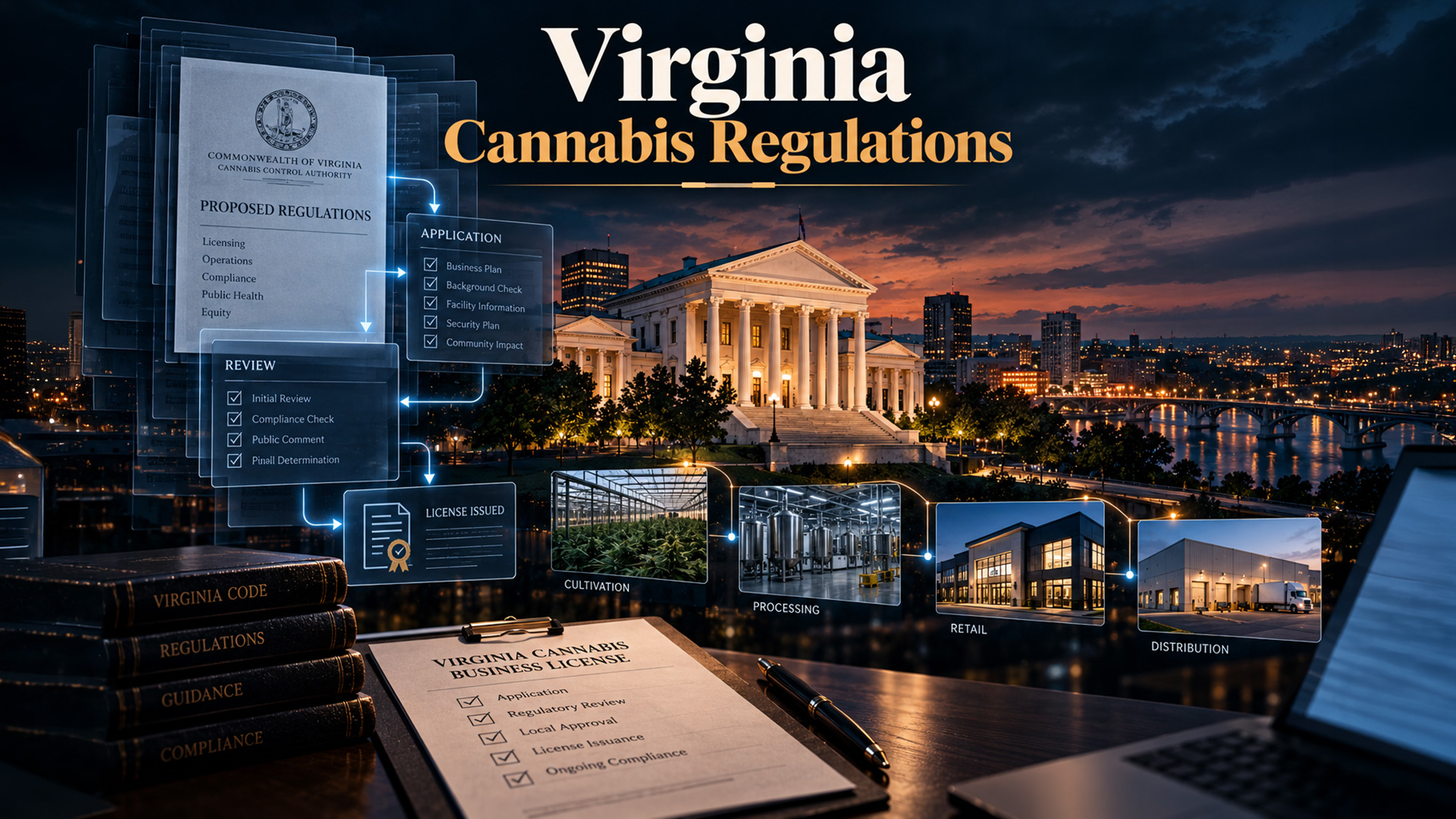
On the surface, the draft regulations contain very little additional information on the application process. Other than some differences in organizational approach, they are nearly identical to current regulations governing applications for pharmaceutical processors in the medical realm and they give the CCA very broad flexibility to spell out the details of the application process in a notice of open application and they give the CCA the authority to hold a “lottery or similar process” in the event there are more qualified applicants than available licenses.
Does this mean that we can expect a process like the HSA processes? Not exactly, more on that in a future article. The key takeaway for now is that this notice (and with it final details on application requirements, criteria, and mechanics) is not expected until early next year, and, as discussed below, that notice is likely to only cover certain limited applicants. The juicy details on applications subject to a cap are likely to come even later in 2027.
Digging a little deeper into the differences between these regulations and the medical regulations, however, is informative.
First, and probably most interesting to those tracking Virginia applications, 3VAC10-30-110(A)(2) has changed materially. Under current medical regulations, an applicant generally cannot submit more than one application for a license type unless they have proof of separate and distinct addresses and capital to support multiple licenses. The draft adult-use regulations remove this exception. One application per license type per applicant; no exceptions. The fact that this is a change to the regulations, not an oversight, suggests a conscious intent to limit the number of licenses that applicants apply for.
The CCA has also deleted regulatory application criteria previously afforded to medical applicants; thus, preserving as much flexibility as possible in the notices of open applications next fall. However, we are not totally in the dark. There are still several statutory application criteria and other resources we can look to for guidance.
License Award
In accordance with the new adult use law these draft regulations shift some of the burdens medical applicants had up front to after the qualification and lottery processes. Details on the address of the facility, additional disclosures of material owners, and additional details on the applicant’s security measures compared to initial applications all now have been shifted to the license issuance criteria.
Impact Licensing
The draft regulations do not address the statutory impact licensing criteria whatsoever; leaving many critical questions unanswered. However, they do provide some suggestions as to the benefits CCA may extend these licensees.
For example, impact licensees can submit a fee waiver for application and licensing fees under these rules. Statutory provisions allowing impact licensees to enter into cooperative agreements are also reflected. However, there is still little to address many of the questions clients and licensing professionals have been asking about the impact criteria, and the split lottery system. Will we see a system like Minnesota where impact licensees are entered into a general lottery system after impact licenses are given out, or will the two applicant pools be treated as distinct?
Application Timing
Enacting language and corresponding guidance on the CCA website states that they intend to only open conversion applications for pharmaceutical processors, industrial hemp processors, or growers along with applications for “some” microbusiness on February 1, 2027. Enacting language in the budget bill makes clear that “some” means hemp processors and growers applying via this route, impact applicants, and distressed farmers (independent of whether they meet the geographic impact criteria) in each case subject to additional licensing requirements, financial, and other operational readiness criteria to be determined by the CCA.
Other applications are expected in a second wave in later in the spring/summer. While CCA retains some discretion on the timing of these other licensing rounds, they must, per enactment clauses in HB 30, issue at least 55 of the standard license types by July 1, 2027. If these application rounds operate on a similar timeline to the conversion and initial microbusiness rounds, we can expect applications to open in early April.
Operations
As promised by CCA, operational regulations are fairly similar to current medical regulations; with the bulk of the changes reflecting changes in terminology and the absence of pharmacists and PICs in favor of responsible parties and designated supervisors. In that spirit, certain requirements have been loosened. As just one example, CCA approval is no longer required for a single visitor; only larger parties.
On the other hand, the CCA has implemented some additional restrictions on adult-use retailers; including a ban on vending machines, and drive thrus. Regulations governing all licensees also now include some additional requirements around the secure storage of cannabis, emergency action plans, and personnel training in line with existing best practices.
More substantive changes to operational regulations can be found in the product standards, lab testing regulations, and compliance and enforcement powers of the CCA; overall these changes strike me as sensible attempts to better formalize these particularly critical and contentious standards in response to the anticipated dramatic expansion of the licensee pool. Regarding the product standards, those following this market will recall that CCA already has product pre-clearance authority, and so these changes tend to have the effect of making these decisions more transparent and the criteria more accessible to more operators. Still, at just 84 pages Virginia’s operational regulations remain fairly streamlined compared to the hundreds of pages that are the norm in many adult-use markets.
Conclusion
By law final regulations must be promulgated by February 1 of next year, with the CCA indicating they will be wrapped up in January. While the Administrative Process Act and public participation guidelines do not apply to this rulemaking, we expect that there will be opportunities for the public to voice their concerns while the Cannabis Public Health Advisory Council conducts their review of regulations. Most notably, the CCA is accepting written and public comment in connection with their meeting later this month.
For more on these draft regulations and how they impact your venture, please get in touch with Holon Law Partners