
- Women Entrepreneurs
- Women
- Uncategorized
- Trademark
- Start-Up
- Regulated Industries
- Press Release
- Non-Profits
- NIL
- Newsletters
- News
- Music Licensing
- Medical Malpractice
- Licensing
- IP
- Holiday
- Hemp
- General Counsels Corner
- Franchising
- Event
- Entertainment Law
- Endorsements
- Employment Law
- Corporations
- Copyright
- Cannabis Law
- Business Law
- AI

When the Agent Acts: Meta’s Muse and the New Privacy and Liability Frontier
This article examines how Meta’s Muse AI agent raises new legal questions about data privacy, user consent, autonomous transactions, and liability. It explores the regulatory gaps surrounding agentic AI and what businesses and consumers should consider as AI systems gain greater authority to act independently.
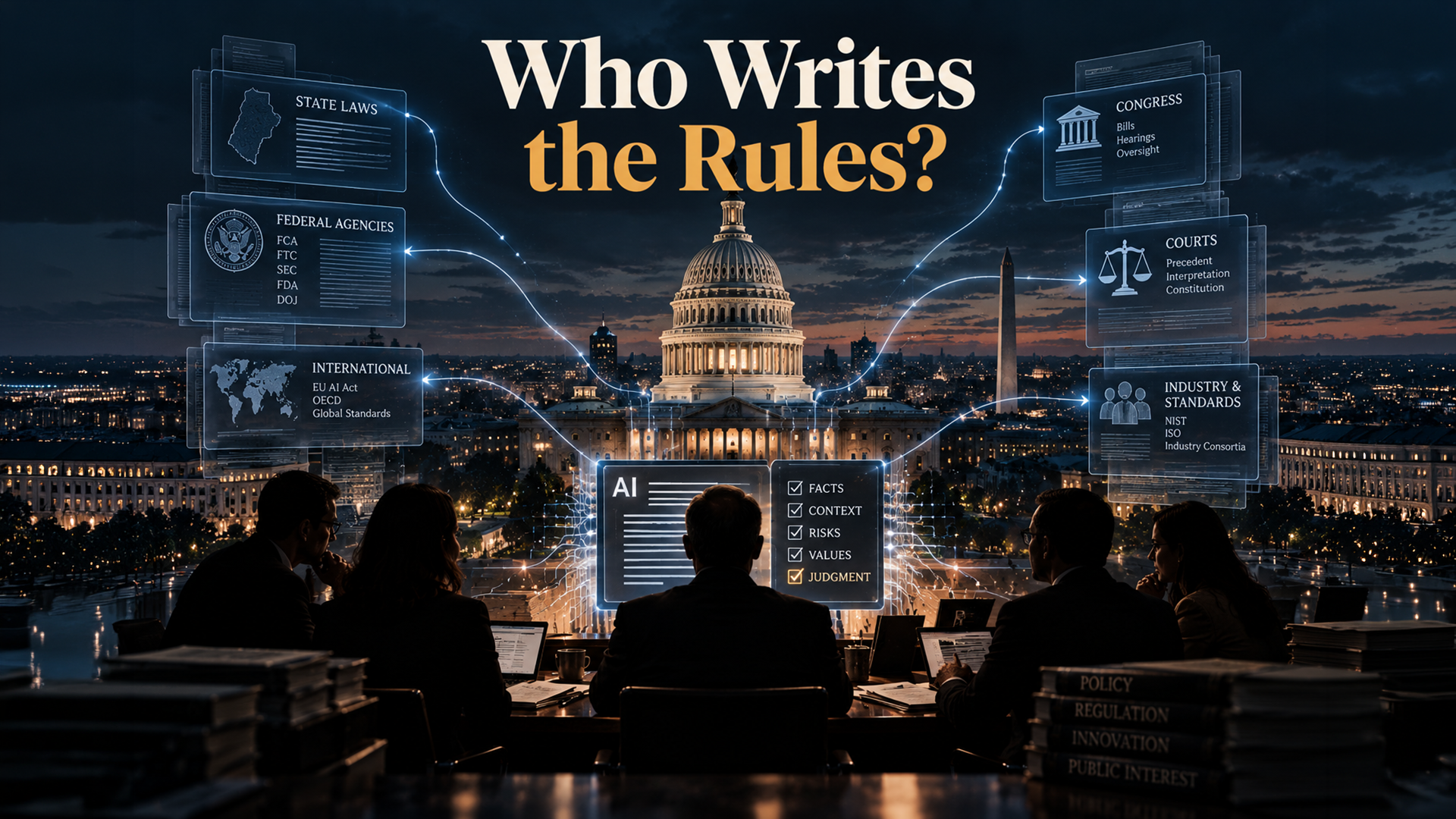
Who Writes the Rules? Previewing Holon’s AI Breakfast in Washington, DC
This article previews Holon Law Partners’ October 22 AI Breakfast in Washington, DC, exploring the policy questions shaping AI governance in 2026, including federal preemption, state regulation, practical compliance, market deployment, and the growing emphasis on meaningful human oversight.

“AI Slop” Is Not a Legal Standard: What Lisandrillo v. Palozzi Asks of Every Lawyer
This article examines Lisandrillo v. Palozzi and the emerging question of whether courts should focus on how legal writing appears to have been produced or on the lawyer’s independent judgment, reasoning, record support, and responsibility for the final filing.

The AI Rulebook Is Going Local
This article examines how courts and bar authorities in Connecticut, D.C., Virginia, North Carolina, Maryland, New York, and Colorado are developing jurisdiction-specific rules for lawyers using generative AI, while converging on common duties of verification, candor, supervision, confidentiality, and professional judgment.

When a Stage Name Meets a Famous Mark: Lessons from the OUTKAST v. OVRKAST Complaint
This article examines the OUTKAST v. OVRKAST trademark dispute and what it teaches artists and brand owners about stage-name clearance, likelihood of confusion, trademark dilution, jurisdiction, and when settlement negotiations can become a binding agreement.
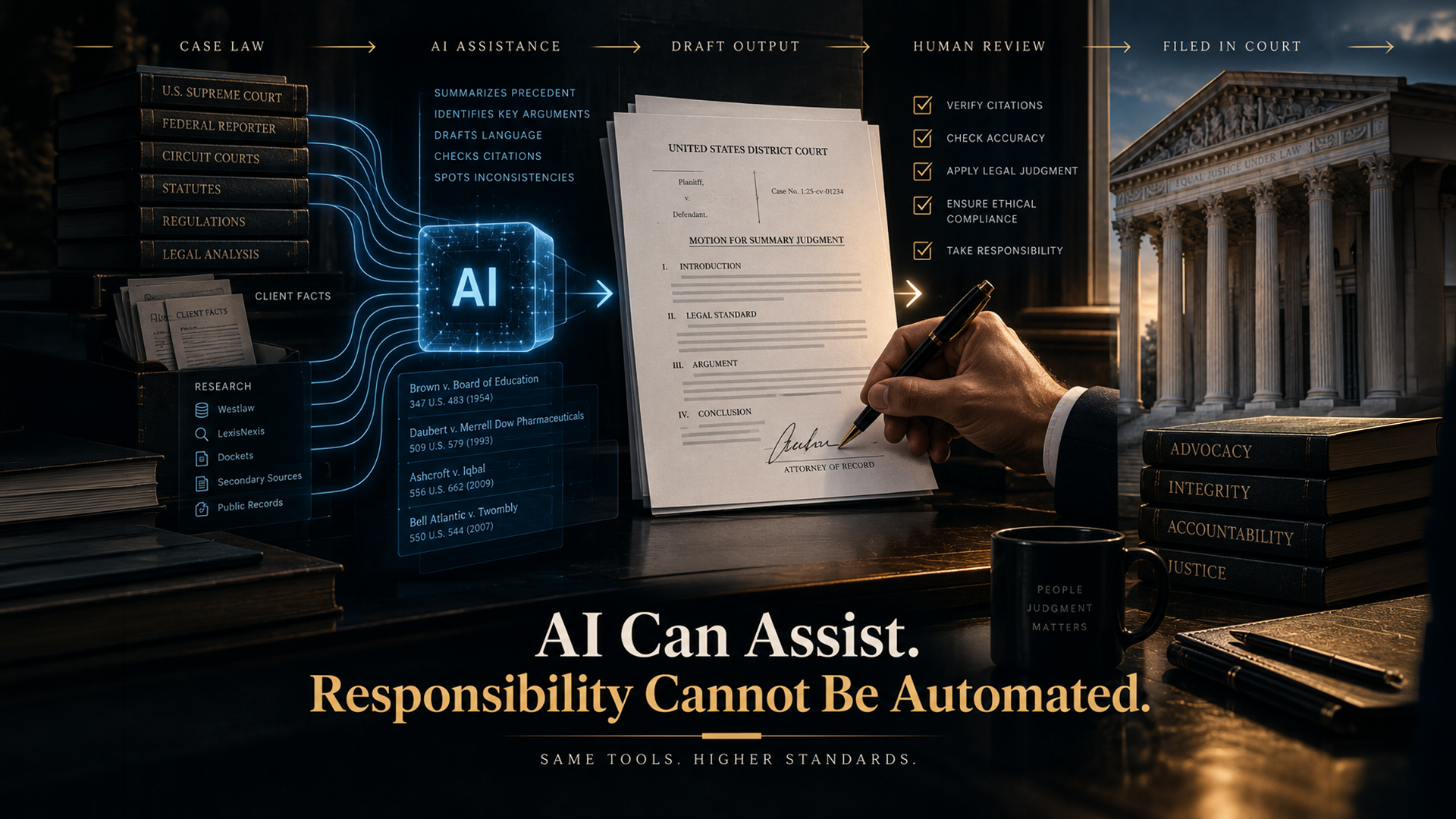
Federal Courts Are Writing an AI Rulebook—Without New AI Rules
This article examines the growing body of federal cases involving AI-assisted legal filings and explains the practical rulebook courts are developing around verification, supervision, reasonable inquiry, and candor when attorneys use generative AI.

Diverging Paths: How the U.S. and EU Are Splitting on AI Regulation
This article examines the growing divide between U.S. and European approaches to AI regulation and what that divergence means for multinational businesses navigating compliance, contracts, M&A diligence, and corporate governance across both markets.
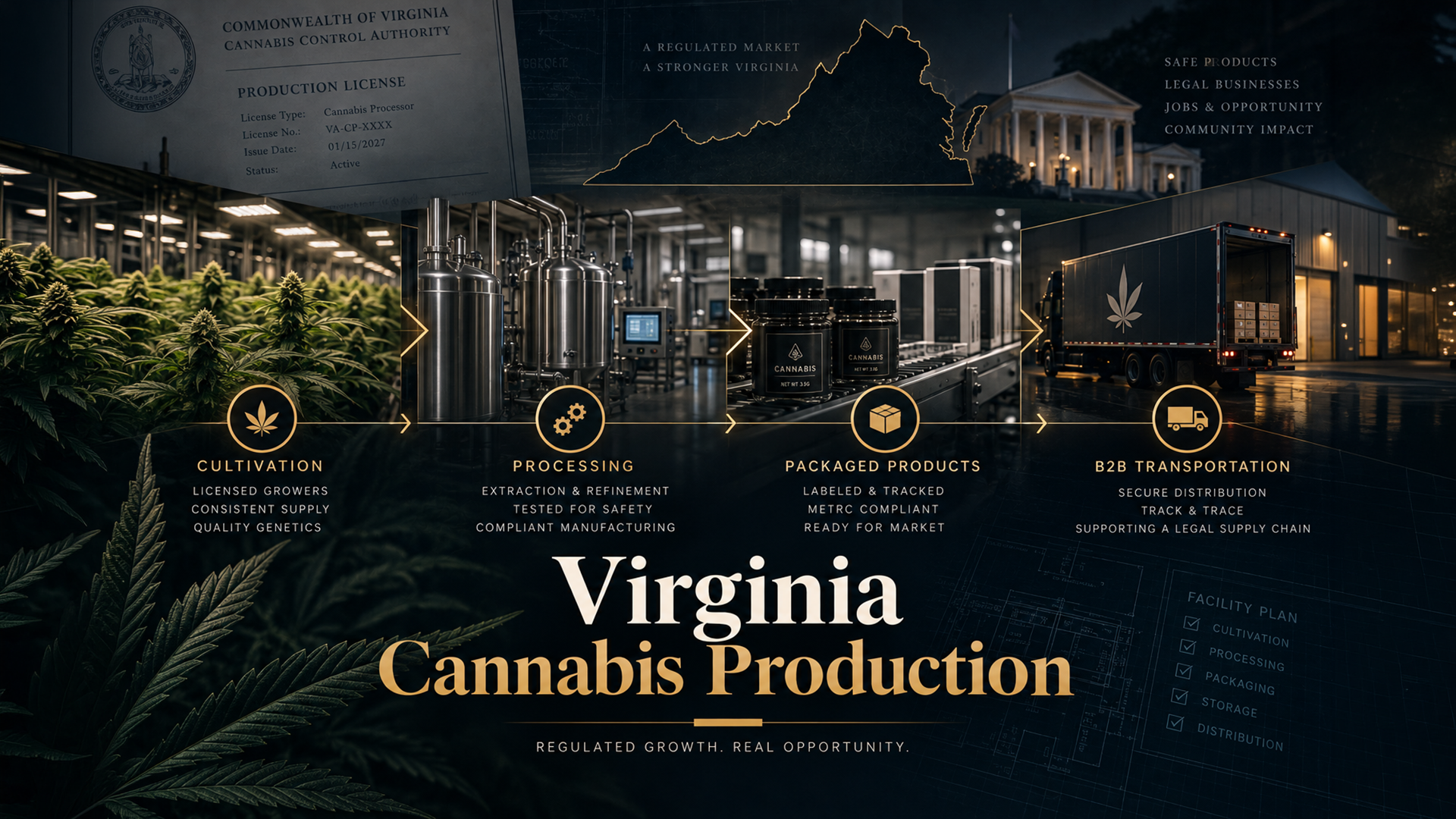
Virginia Adult-Use Marijuana Market Overview – Production Facilities
This article examines Virginia’s adult-use cannabis production licenses, including cultivation tiers, processing facilities, product registration requirements, and transportation rules that prospective operators should understand as they prepare for the 2027 licensing process.
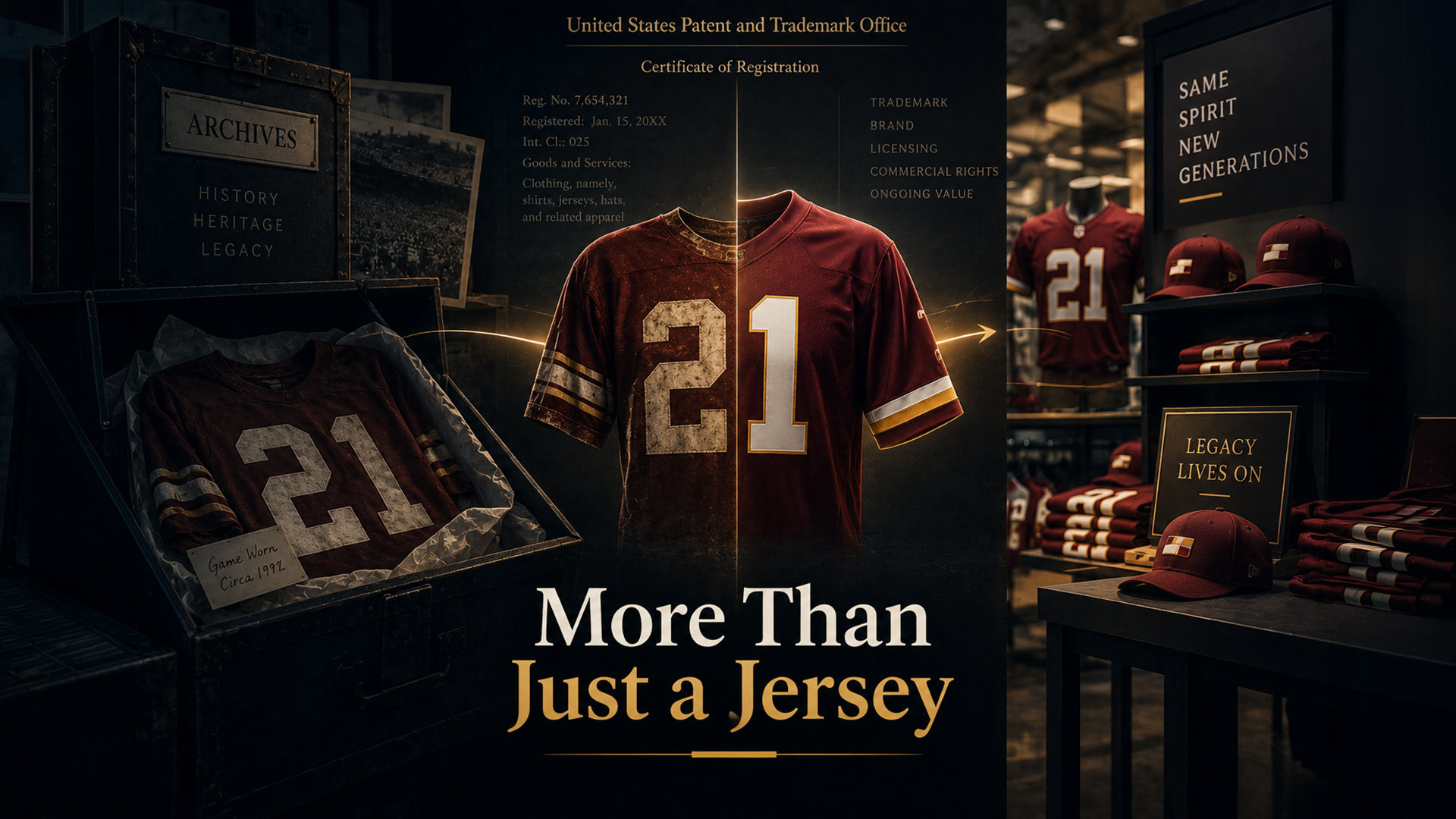
The Two Minute Warning: What the Commanders’ Retro Merch Drop Teaches Us About “Use It or Lose It” Trademark Law
This article uses the Washington Commanders’ limited release of merchandise featuring retired branding to explain trademark abandonment, bona fide use in commerce, maintenance requirements, and why businesses may strategically preserve valuable legacy marks long after a rebrand.