AI-Assisted Hiring: EEOC, DOJ IER, and DOL Signal Enforcement Priorities—and Risks for Employers
By Jason Ehrenberg, Holon Law Partners
Federal agencies continue to sharpen their focus on employer use of artificial intelligence and automated tools in hiring and employment decisions. Recent EEOC technical assistance and fact sheet materials, an updated EEOC guidance page, DOJ Immigrant and Employee Rights (IER) updates, and DOL’s Project Firewall collectively underscore that AI-related practices can trigger liability under longstanding anti-discrimination and labor laws—even when vendors supply the tools.
The message is consistent: employers remain responsible for compliance. Screening, testing, interviewing, verification, and monitoring technologies can produce biased outcomes, result in unlawful inquiries or documentation demands, or chill protected activity. High-risk conduct cited by the agencies includes: – Using automated résumé screeners or scoring models that disproportionately exclude protected groups without validated job-relatedness – Relying on algorithmic decision tools that function as medical exams or disability-related inquiries, or that fail to accommodate applicants with disabilities – Deploying chatbots or assessments that penalize gaps in work history likely tied to pregnancy, caregiving, disability, or military service – Implementing verification or onboarding tools that impose additional document burdens on non-U.S. citizens or treat lawful permanent residents differently – Using productivity monitoring/keystroke or biometric tools that have disparate impact or deter concerted activity – Applying background, criminal history, or credit filters through automated tools without targeted, job-related analysis – Asking for unnecessary I-9 documents or rejecting acceptable documents based on perceived citizenship or immigration status – Failing to provide accessible alternative formats or assessment modifications when needed as reasonable accommodations
Agencies emphasize that vendor assurances are not a defense. Employers should examine how tools are designed, trained, validated, and used in practice; how results are reviewed by humans; and whether accommodations and alternative processes are available and communicated.
What Employers Should Do Now
- Map Your AI Use Identify all tools used in recruiting, screening, testing, interviews, onboarding/I-9, scheduling, productivity monitoring, and promotion/discipline. Document purposes, decision points, and human review.
- Assess for Disparate Impact and Job-Relatedness Evaluate selection rates and outcomes across protected groups; require validation demonstrating job-relatedness and business necessity. Remediate or pause tools with adverse impact that lack support.
- Build Accommodation Pathways Provide clear, accessible processes to request reasonable accommodations and alternative assessments. Train staff to recognize and escalate requests promptly.
- Tighten I-9 and Verification Practices Ensure tools and workflows do not request extra or specific documents, treat non-U.S. citizens differently, or reject valid documents. Audit for consistency with DOJ IER guidance.
- Govern Vendors and Contracts Require transparency on training data, validation, bias testing, accessibility, and update cycles. Secure rights to audit, obtain metrics, and suspend use if compliance issues arise.
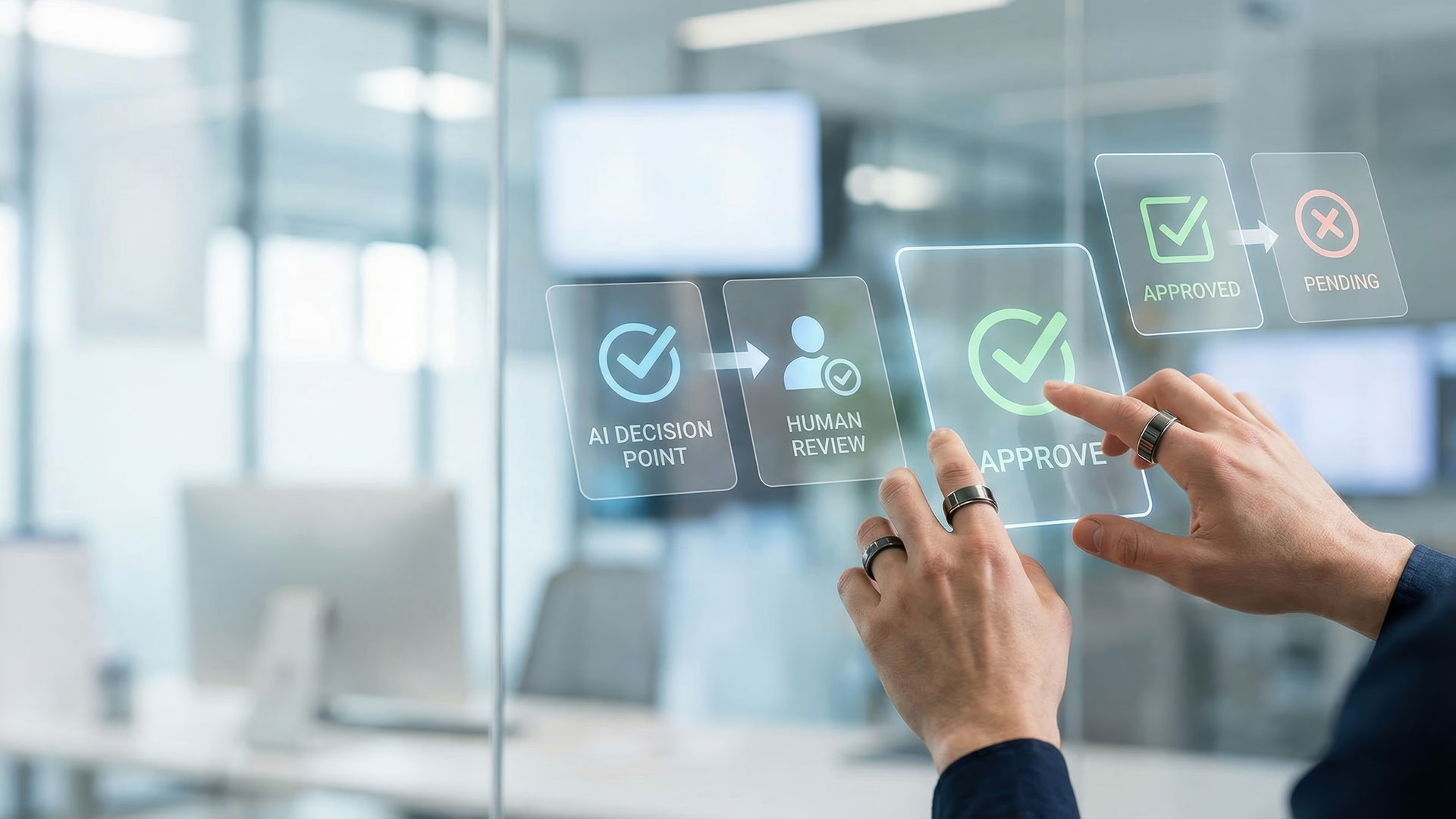
- Implement Human Oversight Require qualified reviewers to confirm material AI-driven decisions. Escalate close calls, override when warranted, and document rationale.
- Update Policies and Notices Address AI use, data sources, retention, accessibility, privacy, and employee rights. Inform applicants and employees about tools used and available accommodations.
- Train Stakeholders Train HR, recruiters, hiring managers, compliance, and IT on risks flagged by EEOC, DOJ IER, and DOL Project Firewall, including disability, national origin/citizenship status, and protected activity concerns.
- Monitor and Re-Test Periodically revalidate tools, monitor outcomes, and adjust thresholds or features that drive adverse impact. Track vendor updates that could change performance.
- Prepare for Inquiries Maintain documentation of validation, bias testing, accommodation handling, and verification practices. Establish a response plan for agency questions or audits.
The enforcement trajectory is clear: AI does not change legal standards; it raises the stakes for getting fundamentals right. Proactive governance—centered on validation, accessibility, non-discrimination, and strong human oversight—will mitigate risk while preserving the efficiencies these tools promise.
Can employers be liable for AI-assisted hiring decisions?
Yes. Federal agencies have made clear that employers remain responsible for discriminatory outcomes, inaccessible systems, and unlawful practices caused by AI-assisted hiring and workplace automation tools, even when third-party vendors provide the technology.